A Brave Writer's Life in Brief - Thoughts from my home to yours A Brave Writer's Life in Brief
  • Start Here
    • For Families
      Multiple Ages
    • Ages 5-7
      Beginning Writers
    • Ages 8-10
      Emerging Writers
    • Ages 11-12
      Middle School Writers
    • Ages 13-14
      High School Writers
    • Ages 15-18
      College Prep Writers
  • Shop
    • Product Collections
    • Bundles
    • Writing Instruction Manuals
    • Literature & Grammar/Punctuation
    • Composition Formats
    • Literature Singles
    • Homeschool Help
    • Book Shop
  • Online Classes
    • Class Descriptions
    • Class Schedule
    • Classroom
    • How Our Classes Work
    • Our Writing Coaches
    • Classes FAQ
  • Community
    • Brave Learner Home
    • What’s Happening
    • Blog
    • Podcast
    • Calendar
  • Cart
  • My Account
    • My Online Classes
    • My Account
  • My Account
    • My Online Classes
    • My Account
  • Start Here

    If you’re new to Brave Writer, or are looking for the best products for your child or family, choose from below:

    • For Families
      Multiple Ages
    • Ages 5-7
      Beginning Writers
    • Ages 8-10
      Emerging Writers
    • Ages 11-12
      Middle School Writers
    • Ages 13-14
      High School Writers
    • Ages 15-18
      College Prep Writers
  • Shop

    If you’re already familiar with Brave Writer products, go directly to what you’re looking for:

    • Product Collections Browse the full catalog in our shop
    • Bundles Everything you need to get started
    • Writing Instruction Manuals Foundational Writing Programs
    • Literature & Grammar/Punctuation Grammar, Punctuation, Spelling & Literary Devices
    • Composition Formats Writing Assignments for Every Age
    • Literature Singles Individual Literature Handbooks
    • Homeschool Help Homeschooling Tools and Resources
    • Book Shop Books associated with Brave Writer Programs
  • Online Classes
    • Class Descriptions
    • Class Schedule
    • Classroom
    • How Our Classes Work
    • Our Writing Coaches
    • Classes FAQ
  • Community
    • Brave Learner Home
    • What’s Happening
    • Blog
    • Podcast
    • Calendar
  • Search
  • Cart

Search Bravewriter.com

  • Home
  • Blog

A Brave Writer's Life in Brief

Thoughts from my home to yours

Brave Writer News: December 2025

Brave Writer
Brave WriterBrave Writer Training Program
Brave Writer news 2025 Online ClassesBrave Learner Home Unit Study
Brave Writer News QDABSBrave Writer news Help! My Kid Hates Writing
Brave Writer Hot Picks Brave Writer 25th Anniversary

Posted in Linky-links | Comments Off on Brave Writer News: December 2025


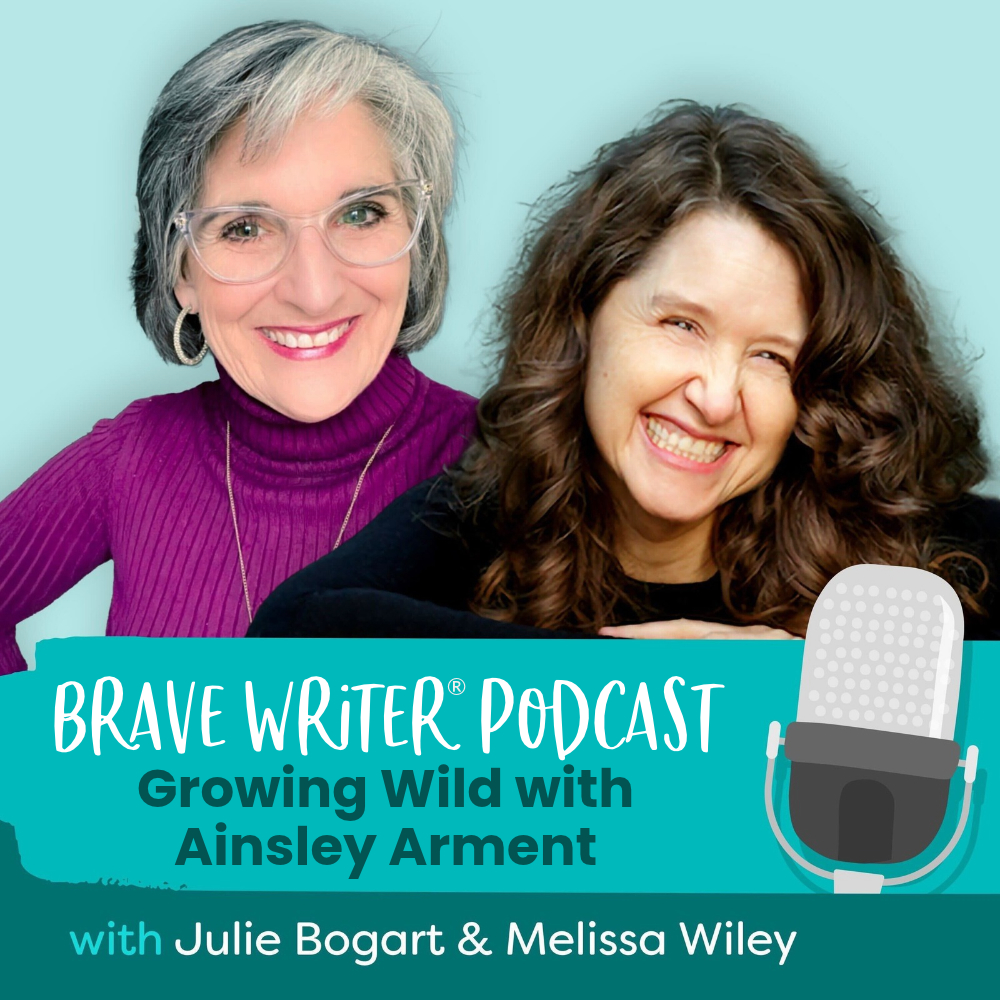
[Podcast #320] An Important Message from Julie about Brave Writer

Brave Writer Podcast

What happens when you realize the mission can grow even as your energy changes?

This week on the podcast, we share a heartfelt update about Brave Writer’s next chapter—

  • why protecting the “sacred trust” matters,
  • how strong culture makes change possible,
  • and what it looks like to move from doing it all to mentoring new leadership.

Along the way, we revisit a long-held Florence dream (Santa Croce + A Room with a View), talk about training replacements, and offer a “January gift” idea: online writing classes kids experience as a treat.

Come listen—then join us at bravewriter.com/online-classes.

Show Notes

There’s a moment many parents and creators eventually face when the work still matters deeply, but the way it’s been carried no longer fits. Today’s episode centers on one of those moments for Brave Writer. Brave Writer is in the midst of a leadership transition, one that allows the work to continue with strength and clarity while honoring a new season for the founder and for the company as a whole.

Brave Writer is not closing. It isn’t being sold or dismantled. Instead, day-to-day operations are moving into the capable hands of longtime team members, Dawn Smith (as President) and Kirsten Merryman (as VP of Operations). They are well trained in the pedagogy, culture, and mission of Brave Writer from the inside and they are fierce protectors of the legacy of our work. This shift protects what families have trusted for years while opening space for new energy and vision at the operational level.

Why This Change Makes Sense

In homeschooling, we’re familiar with seasons. Early years require constant involvement. Later years invite us to step back, moving from hands-on instruction to mentoring and encouragement. The goal is always growth, not control. The same pattern appears in meaningful work. When a company like Brave Writer has been carefully built by the founder, there comes a time when the creator of the company is ready to ask who is equipped to carry the movement forward.

This transition in leadership didn’t arise from dissatisfaction or decline. It came through honest reflection paired with the realization that Julie’s original vision for Brave Writer has been fulfilled and even surpassed. Brave Writer remains intact. What’s changing is how that mission is stewarded day to day.

Training Replacements Is Part of the Mission

One of the most overlooked forms of leadership is training others to do your job well. Brave Writer has always operated on this principle. Teachers, editors, writers, course designers, and administrative leaders have been trained over years, not dropped into roles overnight. That kind of preparation makes a transition like this possible without disruption.

Families already understand this concept. We teach writing as a process so children don’t depend on constant correction. Drafting, revising, and reflecting are skills meant to be internalized. When people are trained deeply, the work becomes bigger than any one person.

Process Thinking and Healthy Culture

A strong culture makes change feel like evolution rather than loss. Brave Writer’s culture has always emphasized process over perfection. In writing, revision isn’t a failure. It’s how clarity emerges. That same mindset allows an organization to adjust without panic or defensiveness.

Because the values have been practiced consistently, new leadership doesn’t mean a new identity. It means the same pedagogy, the same respect for children, and the same trust in process, now carried by a broader team.

What This Means for You

For listeners and families, this transition means continuity. Classes, resources, and support remain rooted in the approach you know and love. It also means longevity. Brave Writer is positioned to grow without losing its soul.

It also offers a model worth considering in our own lives. Parenting, teaching, and creative work all ask us to notice when a season is shifting. Stepping into a mentoring role, making room for others, and caring for ourselves are not acts of retreat. They are acts of wisdom.

This moment at Brave Writer isn’t an ending. It’s a revision. And like all good revisions, it keeps what matters most while making space for what comes next.

Resources

  • Find A Room With a View in the Brave Writer Book Shop
  • Brave Writer class registration is open! 
  • Visit Julie’s Substack to find her special podcast for kids (and a lot more!) 
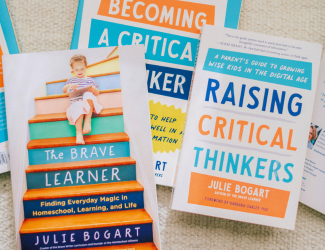
  • Purchase Julie’s new book, Help! My Kid Hates Writing
  • Find community in our membership forum, the Brave Learner Home 
  • Learn more about the Brave Writer Literature & Mechanics programs
  • Start a free trial of CTCmath.com to try the math program that’s sure to grab and keep your child’s attention
  • Give your child the gift of music! Sign up for a free month of private lessons with Maestro Music and let your child discover their own musical voice: www.maestromusic.online/brave
  • Subscribe to Julie’s Substack newsletters, Brave Learning with Julie Bogart and Julie Off Topic, and Melissa’s Catalog of Enthusiasms
  • Sign up for our Text Message Pod Ring to get podcast updates and more!
  • Send us podcast topic ideas by texting us: +1 (833) 947-3684
  • Interested in advertising with us? Reach out to media@bravewriter.com

Connect with Julie

  • Instagram: @juliebravewriter
  • Threads: @juliebravewriter
  • Bluesky: @bravewriter.com
  • Facebook: facebook.com/bravewriter

Connect with Melissa

  • Website: melissawiley.com
  • Substack: melissawiley.substack.com
  • Instagram: @melissawileybooks
  • Bluesky: @melissawiley.bsky.social

Produced by NOVA

Brave Writer Podcast

Posted in Podcasts | Comments Off on [Podcast #320] An Important Message from Julie about Brave Writer


Brave Writer’s New Season!

Brave Writer

This past September, I took time away from home to be with my aunt and her family in Italy. I ate pasta with them, I read lots of books, I took long walks on the beach, I went to an opera, and I wrote and I wrote and I wrote.

A realization dawned: I felt ready to change my role in Brave Writer. I didn’t want to sell the company or close it. I wanted Brave Writer to continue. 

As I walked around Florence, alone, it hit me: I have a brilliant team. What if I asked them to take over casting the vision and running Brave Writer? Would they want to be promoted to roles with more responsibility and power? It felt like a thunder clap of clarity.

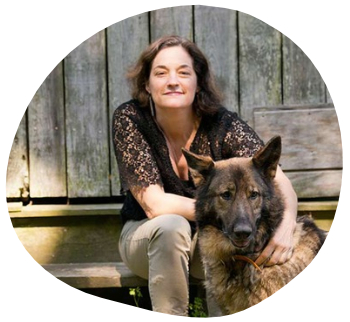
Dawn Smith
Dawn Smith

I invited Dawn Smith (our Director of Publishing) to take over as President of Brave Writer.

She has impressed me as someone who embodies the spirit of our Brave Writer mission while also demonstrating her capacity for strategic leadership. She enthusiastically agreed to the new position and showed me an entire notebook of ideas for Brave Writer she’s been collecting all year. Confirmation!

Kirsten Merryman
Kirsten Merryman

I then turned to the talented Kirsten Merryman (our Director of Online Classes) to serve as Dawn’s Vice President of Operations. Kirsten has faithfully managed our online class staff and has developed Brave Writer courses to be on the cutting edge in the homeschool space. She, too, accepted my offer.

They make quite the dynamic duo! Imagine my relief and optimism!  

I can’t wait to see how Dawn and Kirsten lead us into the next chapter of Brave Writer!

About me…

Certainly, I’m still here as CEO, Mentor, and Founder. However, I’m moving out of managing the day-to-day operations of the company.

In fact, I realized while I was alone reading and writing that I want to WRITE again—as art (imagine that!). This change will allow me to do that.

I will still be involved in Brave Writer through webinars, trainings, social media, Substack, speaking engagements, and the podcast (these are pleasures to me).

  • My Instagram account will change names from @juliebravewriter to @juliebogartwriter (replacing “brave” with “bogart”) so that I can post about my work as a writer, as well as homeschooling.
  • The new official hub of Brave Writer on Instagram is @bravewriterofficial (I encourage you to follow).

Thank you for believing in our mission, sharing it with friends, and teaching your children to be thoughtful, expressive learners who make the world a better place.

Please support Dawn with the same energy you’ve given to me. I appreciate it!

Here’s to the next wonderful phase of Brave Writer!

Julie


If you are interested in a longer version of the story, tune into this podcast episode!


Brave Learner Home

Posted in Brave Writer Team | Comments Off on Brave Writer’s New Season!


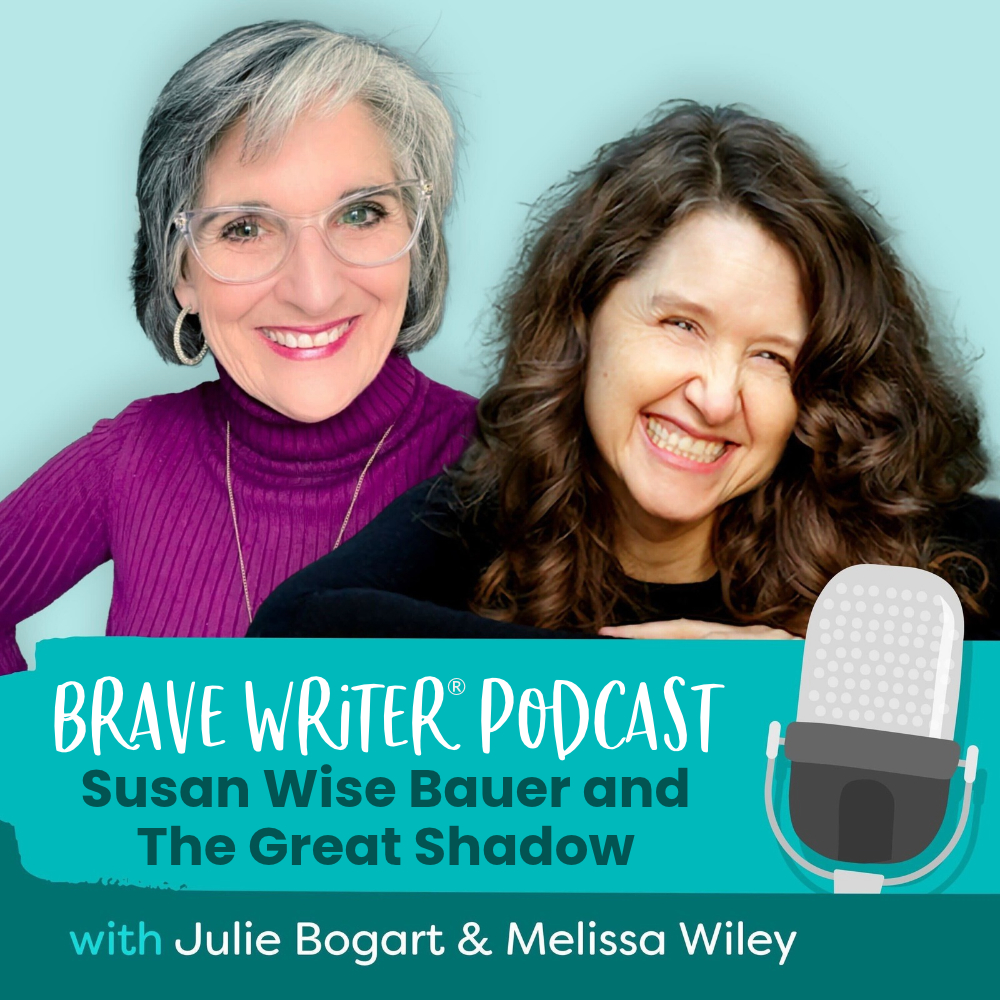
[Podcast #319] How to Grow Writing Skills as an Adult

Brave Writer Podcast

Have you ever wished you could grow as a writer—not just help your kids write, but find your own voice on the page?

In this Brave Writer podcast episode, we explore practical, gentle ways to build an adult writing life from scratch. We talk about:

  • tiny daily practices,
  • “write or do nothing” sessions,
  • using poems and memories as prompts,
  • and reading as the best antidote to writer’s block.

We also share favorite craft books, quirky revision tricks, and how community can transform your confidence.

Join us as we map out five concrete steps to start (or restart) your writing practice this year.

Show Notes

The turn of the year has a way of stirring up creative longings. Somewhere between decluttering closets and planning next semester’s homeschool, many of us quietly add another resolution to the list: write more. Not just recordkeeping or lesson planning, but genuine, soul-stirring writing of our own.

We’ve met so many parents who want that. They’re helping kids draft essays and stories, while their own ideas sit in the back of a closet like an unfinished quilt. The good news? You don’t need a cabin in the woods or a six-week retreat to grow as a writer. You need a few simple practices, done consistently, with kindness.

Reading as Fuel, Not a Distraction

The first place we turn, always, is reading. When we immerse ourselves in a genre—a memoir, a mystery, a lively essay collection—we’re not just being entertained. We’re tuning our ears to the rhythms of that kind of writing. It’s normal to sound a bit like the authors we’re reading, especially at the beginning. Their cadences become training wheels as we wobble into our own voice.

Rather than fearing “copying,” we can think of reading the way we approach recipes. We start with someone else’s version, learn what works, and gradually add our own seasonings. Over time, the dish tastes unmistakably like us.

A Tiny, Sacred Window

The second piece is time—but not as much as you might think. We love the idea of a 10-minute daily window. Choose a moment that’s reasonably protected—right after your morning tea, during a child’s quiet time, or in the car before you walk into a practice.

For those ten minutes, the only rule is: write or do nothing. You can stare at the wall or write, “I don’t know what to write, I’m stuck,” fifty times. You just can’t scroll or fold laundry. Strangely, the mind doesn’t tolerate “nothing” for long; eventually, words begin to spill.

Prompts from Ordinary Life

When the page feels extra blank, prompts help. A poem can offer a doorway: copy a phrase that tugs at you and write from it. A memory can, too—school lunches, cars you rode in as a child, the first house you lived in as a couple. Make a quick list, pick one, and jot everything you remember, focusing on concrete details: the smell of the cafeteria fish fillet, the sting of cold metal on your hands, the way someone’s cigarette dangled over a mixing bowl.

This is what some writers call “carnal writing”—language that lands in the body. You don’t need a plot. You just need presence.

Let Your Ears Be the Editor

When you’re ready to revisit what you’ve written, read it aloud. Not to judge yourself, but to listen. Where do you get bored? Where do you stumble? Those spots are invitations to trim, rearrange, or choose a punchier word.

We like to keep a “magpie notebook” of favorite phrases and word pairings we spot in other people’s writing. When our own sentences feel tired, flipping through that little hoard of language often nudges us toward fresher choices.

Write Together

Finally, remember that writing doesn’t have to be solitary. Pair up with a friend, join an online circle, or host a simple freewriting group with tea and a timer. Share what you’re comfortable sharing. Celebrate each small attempt.

Our kids deserve to see us as learners too—as people who pick up a pen, fumble, laugh, and keep going. In tending our own writing lives, we’re not only nurturing ourselves; we’re modeling the very bravery we hope to see in them.

Resources

  • You can find all the books mentioned in this episode in the Brave Writer Book Shop
  • Brave Writer class registration is open! 
  • Visit Julie’s Substack to find her special podcast for kids (and a lot more!) 
  • Purchase Julie’s new book, Help! My Kid Hates Writing
  • Find community in our membership forum, the Brave Learner Home 
  • Learn more about the Brave Writer Literature & Mechanics programs
  • Start a free trial of CTCmath.com to try the math program that’s sure to grab and keep your child’s attention
  • Give your child the gift of music! Sign up for a free month of private lessons with Maestro Music and let your child discover their own musical voice: www.maestromusic.online/brave
  • Subscribe to Julie’s Substack newsletters, Brave Learning with Julie Bogart and Julie Off Topic, and Melissa’s Catalog of Enthusiasms
  • Sign up for our Text Message Pod Ring to get podcast updates and more!
  • Send us podcast topic ideas by texting us: +1 (833) 947-3684
  • Interested in advertising with us? Reach out to media@bravewriter.com

Connect with Julie

  • Instagram: @juliebravewriter
  • Threads: @juliebravewriter
  • Bluesky: @bravewriter.com
  • Facebook: facebook.com/bravewriter

Connect with Melissa

  • Website: melissawiley.com
  • Substack: melissawiley.substack.com
  • Instagram: @melissawileybooks
  • Bluesky: @melissawiley.bsky.social

Produced by NOVA
Brave Writer Podcast

Posted in Podcasts | Comments Off on [Podcast #319] How to Grow Writing Skills as an Adult


Make Grammar, Punctuation, and Spelling Stick—with Books!

Brave Writer

When Brave Writer kids and their parents came to a webinar I hosted (replay below!), I asked the kids if they had ever learned anything on their own that required them to fight through challenges when it got hard.

You know what happened?

They immediately filled the chat with all the wild variety of stuff they’ve learned while beating frustration and overcoming struggle:

Coding, LEGO, knitting, how to hold a pencil, video games, how to use flint and steel, swimming under water, playing drums, origami, cooking, whistling…and so many more!

They were PROUD of their self-will and determination.

When kids care, they will fight to complete the task—even persisting past pain points.

What we’ve learned in Brave Writer is that all the content you want your kids to learn can be passed on through conversation, activity, and your natural relationship with your child. They will learn about plot devices and adverbs because they will WANT to know!

We help traditional writing and literature be as meaningful to kids as whittling wood or Minecraft.

We even give you the tools to make it easier for you. You’re not inventing from scratch. We give the turbo boost to make you effective.

Our objective is to get your kids to care—about prepositional phrases and assonance and mood and setting and characterization and foreshadowing.

I highly recommend watching the replay of our “Make Grammar, Punctiation, and Spelling Stick Using Literature” webinar WITH your kids of all ages so you can see what I’m talking about.


To watch other replays for our special kids’ webinars (Fairytales for All Ages, Headlines—History + Writing + Journalism, Song Lyrics, and Art Appreciation), join our Brave Learner Home community!


Brave Learner Home

Posted in Grammar, Living Literature | Comments Off on Make Grammar, Punctuation, and Spelling Stick—with Books!


[Podcast #318] For the Kids: Meet the Lighthouse Family

Brave Writer Podcast

What happens when we slow down and really listen to the language of a story?

In this special Brave Writer podcast episode for kids and parents, we cozy up with Cynthia Rylant’s Lighthouse Family series and unpack a delicious opening passage from The Storm. We notice how sound, mood, adjectives, and even compound words work together to paint Pandora the lighthouse cat’s lonely world—and we share simple ways to turn those discoveries into:

  • copywork,
  • scavenger hunts,
  • and rich family discussion.

Join us as we read, notice, and play with language—then keep the magic going in your own read-aloud time.

Show Notes

One of our favorite things to do as home educators is to read aloud with our kids. But there’s a subtle shift that can turn a simple storytime into a rich apprenticeship in writing: reading like writers.

  • Why this word and not that one?
  • Why start the story here?
  • Why does a single sentence feel so sad or so thrilling?

Those questions aren’t just academic; they’re invitations into craft.

The Power of a Single Sentence

Take a sentence like “She found herself sighing long, deep, lonely sighs.” We meet a character who is isolated, but instead of being told “She was very lonely,” we feel it in our bodies. The repetition, the commas, the triple stack of adjectives—it all creates a slow, weighted rhythm.

When we read like this with our kids, we can pause and ask: What makes this sentence so powerful? How would it feel if we changed one of those adjectives? What if we took the commas out? We’re not administering a quiz; we’re inviting curiosity. Our children learn, almost by osmosis, that word choice and punctuation carry emotion.

Playing with Sound

Sound devices like alliteration, assonance, and consonance can seem like abstract literary terms until you hear them working in a story. “In a lonely lighthouse, far from city and town, far from the comfort of friends…” rolls off the tongue like a gentle wave.

Instead of handing our kids a definition, we can point to the line and say, “Do you hear all those L sounds? How does that make it feel?” From there, we can play: try writing our own description of a place using repeated sounds, or go on a “sound scavenger hunt” in today’s read-aloud. Learning becomes a game instead of a worksheet.

Seeing the Story Beneath the Story

We also love to notice how authors handle time. A flashback, for example, doesn’t just fill in backstory; it reveals what matters most to a character. When a writer drops us into a memory of a storm at sea and a ship saved by a lighthouse, we see why tending a light later becomes a vocation of the heart.

These are beautiful conversations to have with our kids: What is this character afraid of? What do they love? How does the past explain who they are now? Suddenly, reading isn’t only about plot; it’s about empathy.

Turning Noticing into Practice

All this noticing naturally spills into our children’s own writing. Once they’ve hunted for compound words in a chapter book, they start inventing their own. Once they’ve collected homophones, they delight in spotting them in the wild. Once they’ve experienced how a powerful verb like “howled” or “crashed” changes a scene, “said” and “went” start to feel boring.

We don’t have to lecture about any of this. We simply:

  • keep reading aloud, pausing now and then to marvel together,
  • ask big, juicy questions,
  • and treat literary devices like a spice cabinet we can open and smell.

Over time, our kids internalize what good writing feels like. And when they sit down to write—even if it’s just a sentence or two at first—they have a rich store of rhythms, images, and structures to draw from.

That’s the quiet magic of reading like writers: we aren’t just passing the time or checking off a language arts box. We’re building a shared language of craft and a lifelong love of stories, together.

Resources

  • Order the Lighthouse Family issue of the Dart here (available Jan. 1, 2026)
  • Find the Lighthouse Family books in the Brave Writer Book Shop
  • Brave Writer class registration is open! 
  • Visit Julie’s Substack to find her special podcast for kids (and a lot more!) 
  • Purchase Julie’s new book, Help! My Kid Hates Writing
  • Find community at Brave Learner Home
  • Learn more about the Brave Writer Literature & Mechanics programs
  • Start a free trial of CTCmath.com to try the math program that’s sure to grab and keep your child’s attention
  • Subscribe to Julie’s Substack newsletters, Brave Learning with Julie Bogart and Julie Off Topic, and Melissa’s Catalog of Enthusiasms
  • Sign up for our Text Message Pod Ring to get podcast updates and more!
  • Send us podcast topic ideas by texting us: +1 (833) 947-3684
  • Interested in advertising with us? Reach out to media@bravewriter.com

Connect with Julie

  • Instagram: @juliebravewriter
  • Threads: @juliebravewriter
  • Bluesky: @bravewriter.com
  • Facebook: facebook.com/bravewriter

Connect with Melissa

  • Website: melissawiley.com
  • Substack: melissawiley.substack.com
  • Instagram: @melissawileybooks
  • Bluesky: @melissawiley.bsky.social

Produced by NOVA
Brave Writer Podcast

Posted in Homeschool Advice, Podcasts | Comments Off on [Podcast #318] For the Kids: Meet the Lighthouse Family


« Older Entries
  • Search the Blog

  • Julie Bogart
  • Welcome, I’m Julie Bogart.

    I’m a homeschooling alum -17 years, five kids. Now I run Brave Writer, the online writing and language arts program for families. More >>

    IMPORTANT: Please read our Privacy Policy.

  • New to Brave Writer? START HERE

  • FREE Resources

    • 7-Day Writing Blitz
    • Brave Writer Lifestyle Program
    • Brave Writer Sampler: Free Sample Products
    • Freewriting Prompts
    • Podcasts
  • Popular Posts

    • You have time
    • How writing is like sewing
    • Best curriculum for a 6 year old
    • Today's little unspoken homeschool secret
    • Do you like to homeschool?
    • Don't trust the schedule
    • You want to do a good job parenting?
    • If you've got a passel of kids
    • You are not a teacher
    • Natural Stages of Growth in Writing podcasts
  • Blog Topics

    • Brave Learner Home
    • Brave Writer Lifestyle
    • Classes
    • Contests/Giveaways
    • Friday Freewrite
    • High School
    • Homeschool Advice
    • Julie's Life
    • Language Arts
    • Movie Wednesday
    • Natural Stages of Growth
    • One Thing Principle
    • Our Team
    • Parenting
    • Philosophy of Education
    • Podcasts
    • Poetry Teatime
    • Products
    • Reviews
    • Speaking Schedule
    • Students
    • Writing about Writing
    • Young Writers
  • Archives

  • Brave Writer is a participant in the Amazon Services LLC Associates Program, an affiliate advertising program designed to provide a means for sites to earn advertising fees (at no extra cost to you) by advertising and linking to amazon.com

    Content © Brave Writer unless otherwise stated.

What is Brave Writer?

  • Welcome to Brave Writer
  • Why Brave Writer Works
  • About Julie
  • Brave Writer Values
  • Frequently Asked Questions
  • Speaking Schedule

Brave Writer Program

  • Getting Started!
  • Stages of Growth in Writing
  • The Brave Writer Program
  • For Families and Students
  • Online Classes
  • Brave Writer Lifestyle

…and More!

  • Blog
  • Classroom
  • Store
  • Books in Brave Writer Programs
  • Contact Us
  • Customer Service
  • Brave Writer Staff
© 2026 Brave Writer
Privacy Policy
Children's Privacy Policy
Help Center