
A Brave Writer's Life in Brief - Page 514 of 779 - Thoughts from my home to yours A Brave Writer's Life in Brief
  • Start Here
    • For Families
      Multiple Ages
    • Ages 5-7
      Beginning Writers
    • Ages 8-10
      Emerging Writers
    • Ages 11-12
      Middle School Writers
    • Ages 13-14
      High School Writers
    • Ages 15-18
      College Prep Writers
  • Shop
    • Product Collections
    • Bundles
    • Writing Instruction Manuals
    • Literature & Grammar/Punctuation
    • Composition Formats
    • Literature Singles
    • Homeschool Help
    • Book Shop
  • Online Classes
    • Class Descriptions
    • Class Schedule
    • Classroom
    • How Our Classes Work
    • Our Writing Coaches
    • Classes FAQ
  • Community
    • Brave Learner Home
    • What’s Happening
    • Blog
    • Podcast
    • Calendar
  • Cart
  • My Account
    • My Online Classes
    • My Account
  • My Account
    • My Online Classes
    • My Account
  • Start Here

    If you’re new to Brave Writer, or are looking for the best products for your child or family, choose from below:

    • For Families
      Multiple Ages
    • Ages 5-7
      Beginning Writers
    • Ages 8-10
      Emerging Writers
    • Ages 11-12
      Middle School Writers
    • Ages 13-14
      High School Writers
    • Ages 15-18
      College Prep Writers
  • Shop

    If you’re already familiar with Brave Writer products, go directly to what you’re looking for:

    • Product Collections Browse the full catalog in our shop
    • Bundles Everything you need to get started
    • Writing Instruction Manuals Foundational Writing Programs
    • Literature & Grammar/Punctuation Grammar, Punctuation, Spelling & Literary Devices
    • Composition Formats Writing Assignments for Every Age
    • Literature Singles Individual Literature Handbooks
    • Homeschool Help Homeschooling Tools and Resources
    • Book Shop Books associated with Brave Writer Programs
  • Online Classes
    • Class Descriptions
    • Class Schedule
    • Classroom
    • How Our Classes Work
    • Our Writing Coaches
    • Classes FAQ
  • Community
    • Brave Learner Home
    • What’s Happening
    • Blog
    • Podcast
    • Calendar
  • Search
  • Cart

Search Bravewriter.com

  • Home
  • Blog

A Brave Writer's Life in Brief

Thoughts from my home to yours

Your Ideal Life

Brave Writer Ideal Life

What would your ideal life with children be if you could live it without guilt or fear that you might fail; without worry that you are not meeting academic expectations?

My recipe looked a bit like this:

  • Making homemade muffins
  • Having a Poetry Teatime
  • Going on outdoor adventures (swimming in summer, hiking in fall, planting flowers in spring, skiing in winter)
  • Reading together from a great book like Julie of the Wolves
  • Watching something good on TV or a movie
  • Snuggling
  • Messing with paint or clay or colored pencils
  • Eating yummy foods (like Farmer’s Market fruit or a new recipe from a foreign country)
  • Playing a board game all the way through
  • Visiting another family
  • Taking a trip to somewhere else (art museum, movie theater, nature center, YMCA…)
  • Spending time with a homeschooling co-op
  • Listening to Shakespeare

It’s always interesting to me that school subjects rarely make the list of things we’d love to do if we had the time, if we had no guilt, if we could “do what we want.” Yet math, writing, foreign language, history…these are all riveting when handled with passion, creativity, and relevance to the age and stage of the child. They can be just as wonderful as messing with paint and clay. In fact, messing with clay or going to a museum or spending time out of doors may be the most effective vehicles for teaching the three R’s and history!

The truth is…

We have these ideas of what makes life rich and then we have ideas of what our obligations are. We tend, most of us, to either follow a slavish routine of meeting obligations or slowly capitulate to the inertia of not following through on the routine, and yet we never quite make the alternative plan happen! The desired harmonious lifestyle of satisfying experiences combined with routine is a phantom image of someone else’s homeschool, but never ours.

I remember a homeschooling veteran saying to me once: “Any time your child wants to play a board game, do it. Don’t wait until later in the day, or for the next day, or for rain. Get the game out, clear the table with a sweep of your hand sending all those papers flying, and put out the Monopoly board and play! That’s why you are home: so you can play hours of Risk or Zooreka or Stratego!” Today, of course, the same could be said for Wii Golf or Mario Cart.

I took this advice to heart. The next thing you knew, I was learning how to play Yugi-oh cards, how to “open” as the white pieces in chess, how to be strategic in RISK. My kids started creating their own games. We have homemade versions of Clue, Seinfeld Trivia, “Stick the Take” (don’t ask —Caitrin’s game she designed at age 3—the only one she could reliably “win” in a house of older siblings), homemade Mancala, Pogs, brand new card games, 3 dimensional chess, and more.

Dice-rolling, calculating percents, determining rules and winners, articulating specific facts onto small cards in one’s own handwriting—now that’s education! That’s learning.

It all started with board games made by Parker Brothers. It continued with board games made by Bogart brothers and sisters.
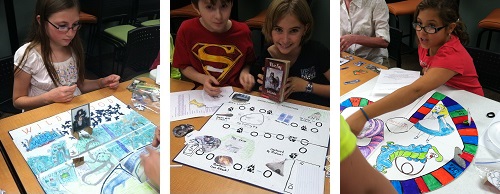
Board Games
Brave Writer mom, Knelly, sent us photos
of the board games her students created!

What is your homeschool vision?

The fantasy homeschool that lives in your head is the vision created in your heart, by your instincts, and with your best intentions. It’s a good vision. It’s a right vision. You aren’t imagining plopping your kids in front of a television six hours a day so you can read romance novels and drink bourbon.

Your vision for your homeschool is whole. It’s:

  • filled with learning and living,
  • relational and peaceful,
  • personality honoring and generously giving.

That’s a worthy life to lead!

It’s absolutely essential to value the whisperings of your inner homeschool muse. As I like to say, “Inspiration is not a lengthy visitor.” If you don’t trundle down the path behind her, she will leave you alone with your text books and end of the year exams.

Follow, see where she leads, trust the process and your aspirations. The fruit is so well worth it.

Just know that you can’t always see the fruit the same way workbook pages reassure you that “learning” is happening. When you spend hours talking, laughing, tickling, playing made up games, going on walks, listening to songs on the radio, skipping stones in a creek, competing in Dance Revolution, drawing pictures of pumpkins, walking the dog, calculating how much money to save each month for an American doll purchase, and eating 1/6 pieces of homemade quiche, you don’t always see the academic growth in the same month or year. The effects of this lifestyle are cumulative and compounding. But they are good effects!

What starts off as a trickle of enthusiasm, becomes a meaningful obsession by 24. But between 8 and 24, you will see undulations of enthusiasm and boredom, progress and stagnation.

That’s how it’s supposed to be!

Case in point. My daughter (when age 24) took inner city kids on a camping trip (she was a social worker). She was excited to introduce them to nature in a direct way. I said, “I love hearing about your enthusiasm for nature. Remember how you used to say you had no interest in the outdoors?”

Her reply: “Mom, I’m not 15 any more.”

Ha! Too true!

So do the things you know are good for all of you, trust these activities to teach and nourish your family, believe in the power of a well-rounded life. Then watch the unfolding of amazing lives—lives you’ve had the privilege to shape and love.

That’s the homeschool you believe in. So live it!


Brave Learner Home

Posted in Brave Writer Lifestyle, Homeschool Advice | Comments Off on Your Ideal Life


“One Thing” Reprise

One Thing PrincipleQuick, make a list!

For new-to-Brave-Writer friends, I thought it a good idea to send you into your weekend with one of our core ideas: “The One Thing Principle.”

Quick: Grab a pen and write a list of all the stuff you think needs to be done next week with your kids. Doesn’t matter what you use. An old envelope or back of a supermarket receipt will work. Just start writing. List, list, list until you run out. Feel free to include random stuff like “Find Penny’s missing shin guard” and “Remember to buy nail polish remover” because those get in the way of remembering “Study fractions on Tuesday night so I can help Aaron with them on Wednesday morning.”

Your list may include big ideas (Make a plan for writing a year long report on Nebraska) and small ones (Get batteries for the pencil sharpener by Thursday so we can sharpen our new set of Prismacolor pencils in time for the art project that afternoon).

Once you’ve got a list, take a break. Get a cup of coffee or tea. Read a blog or browse the Pinterest newsfeed. Then come back to your list. Before rereading it, add to it. Anything you forgot, anything new that popped into your mind in the interim. Then, reread the whole list and allow it to jog your memory for one more thing. Add it.

Okay—sit back. You’ve got a list! Congratulations.

You’ve likely written a good, long, somewhat exhaustive (and exhausting list!). This weekend, pick one thing to do on that list. Just one. Pick the one that leaps off the page, gets your attention, draws you.

THAT’S the one to do this upcoming week. The other stuff, now that it’s on the list, will circle to your consciousness all week (you’ll be on the alert for that shin guard, you’ll walk by the battery section at the market and remember: pencil sharpener!, Tuesday night will come and you’ll grab the workbook for fractions and take a glance through it before you climb into bed). It’s all there. You can do any of the “lesser” items as they occur to you.

For now, though, pick the one “bigger” thing—the thing that you want to do, that takes preparation to do, that is nagging at you.

This is the week you’ll do it! Focus on that one idea.

Here’s how:

Prepare for it.
Take the time right now to get what you need to do that task. In other words, most activities that we never get to need preparation (supplies, Xeroxed copies, materials). If it means you need to order a book, order the book now. If it means you need to assemble ingredients, get them together and put the missing items on a shopping list you will use today. If it means gathering materials on hand, gather them and put them in a safe place. If this is a task that needs preparation (a step or two must be done ahead of time), create space in your schedule in the early part of the week to get that art of the event completed.

Execute the task.
Once you have what you need, pick a time today (or on the planned day) to follow through and do it. Make sure you protect that time and space from interruptions. That means your laptop is closed, cell phone is on vibrate, and your television is turned off. Don’t answer the door. Text your spouse and tell him or her not to call you during that hour or two. Clear your kitchen table (or your yard or couch or car – wherever this thing is happening). Know that you have a dedicated block of time to do this task and that no other task will crowd it out.

Experience the task/event.
Be there. Don’t allow your mind to run off to dinner or dentist appointments you forgot to schedule. Don’t resent sitting down and “wasting time” doing what your mind resists. Don’t jump up to change a laundry load because the timer dinged. Do listen, pay attention, dedicate your mind and heart to the moment at hand. Listen to your kids. Feed back to them what you hear. Participate. Become interested and fascinated. Live in this moment and no other.

For example, if you are working on times tables, completely immerse yourself in the experience. Recite the tables, play with them, ask questions, find ways to make two times six interesting. Be there! Allow the connections to come that happen when you are involved and calm.

If you are holding a poetry teatime, relax. Sip tea, observe the facial expressions of your children, take in the color of the placemats and the shape of the scones. Stay in that event as long as it lasts and don’t reprimand yourself for skipping your grammar workbook that day.

Reminisce.
Finally, once the event or learning experienced concludes, and you’ve moved on to the next “thing,” allow yourself to fondly remember what worked or was enjoyed. The next hour, or meal, or day, or two days from now, remember the experience you shared with your kids.

Say words like:

“You know, I didn’t realize how often fractions are a part of my day until we spent those two hours on Monday playing with your Cuisinaire rods.”

“I so enjoyed doing copywork with you on Tuesday. Want to read what I wrote? I want to read yours today.”

“Watching “Much Ado About Nothing” reminds me of when I was a kid and my mom took me to plays. What was your favorite part? Mine was…”

“I loved that poem about horses you read during teatime. Can you find it for me again? I’d like to reread it.”

Focus on the experience by honoring it in your memories. Retell the story, relive it a few days later. It will stay anchored in your lives as a touchstone if it becomes worth of your investment, dedication, and memory.

This is how you work through the list. You have all the way until June (and of course, beyond) to get through the list. Do it one thing at a time, and only do the one thing when you know you will really devote yourself to it. Let me know how it goes.


Image by Design Build Love

Posted in Homeschool Advice, One Thing | 1 Comment »


Friday Freewrite: Gift

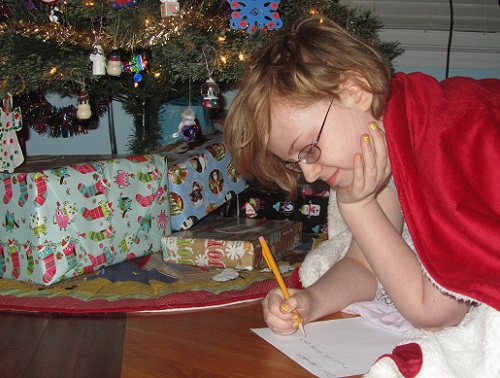
GiftImage by asenat29

Write about an awesome gift that you’ve received. Go!

New to freewriting? Check out our online guide.

Posted in Friday Freewrite | Comments Off on Friday Freewrite: Gift


More kids are writing today than in the history of the world!

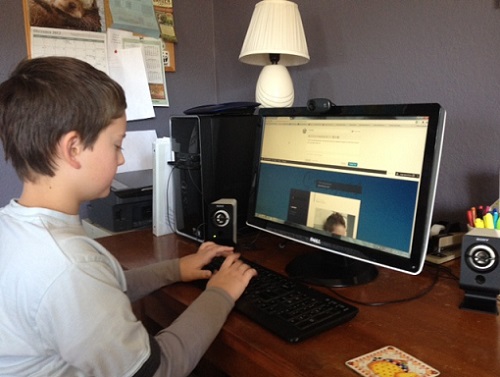
Image by HollyBrave Writer student creating a blog post. Image by Holly.

Actually more human beings are writing today than in the history of the world.

In my college class at Xavier, we looked at the dead sea scrolls website. It was fascinating to see the handwritten papyrus, the “added” letter above a word when it had been accidentally left out, the markings for vowel sounds, the literal puzzle pieces of fragments that archaeologists attempt to piece together into a whole. These precious parchments had somehow survived for centuries and represented early religious writings that were cherished and protected as the rare items they were!

In class, we discussed “writing”—how long it has been around, who could read, who could write! For centuries, many of the beloved stories/histories we know today were handed down through oral performance. Oral tradition relied on story-telling features that made the language easy to memorize and urged participation in recitation. Oral tradition relied on a community of reciters and story-tellers, not just a single source.

Over time, the development of written language catalyzed a desire to record some of these stories/narratives/laws/histories. Still, the primary mode of communication from writing to a community came through reading aloud. Written scrolls were copied by hand; eventually handwritten books replaced scrolls. Books were few and prized.

The Printing Press brought a revolution—the masses could be taught to read and write and they would have books to read, and paper on which to write!

From 1439 until about 1993, paper became the context for the written word. Publishing was in the hands of the ones who could print the words and distribute them. While the Enlightenment brought about education for the masses and writing for all, publishing houses became the gatekeepers of what words became books to read and which didn’t. You could try to self-publish but how would you distribute your work? How would you find your audience?

Naturally, being published became a “status” symbol. It meant someone with authority and money outside yourself deemed you worthy of an audience to read your writing. Writing went from being sacred, to elite!

Fast Forward to: The Internet!

Suddenly publishing is for everyone—it is what the Internet does best! It’s not just a tool for transmitting the written word (paper, machine type), but is a delivery system as well—connects writers with readers effortlessly.

The rise of Twitter is an incredible historic achievement! Suddenly ANYONE on the globe can communicate with the entire world in 140 keystrokes, and those tweeters will find a receptive and responsive audience. Never has writing been more democratic, more available, more compelling than now!

What does that mean? Your kids are already published writers! If they update a status on Facebook, caption an Instagram photo, keep a blog, participate on a discussion board for games or movies, write fan fiction, or tweet their lunches, they are writers with audiences because that’s how the Internet works.

No more do they have to rely on oral tradition to retell their stories. No longer do they have to wonder if they are “good enough” writers to “get published.” They write, freely, in front of an audience and find out directly whether or not what they share is interesting enough to compel a comment or a thumbs up or a smiley face. They get to find out the direct impact of their rant or their self-pitying whine. They discover how to shape an argument, how to do research when they are humbled by someone’s, “Did you bother to Google that first?”

Your kids, mine, you and me—we’re all writing all the time every day for all sorts of people, published and out in the world of ideas and words. More than at any point in the HISTORY OF THE WORLD, we are writers and we are writing non-stop!

Put that in your pipe and smoke it!

If you are connected to the Internet, have a keyboard, and take the time to express yourself once a day in writing, you are a GENIUS writer compared to the rest of the world’s population since the dawn of time.

How about that?

Keep going.

Use this tool called online writing and celebrate all the ways your kids are becoming wonderful writers just by virtue of being fully themselves, in writing, on the Internet, let alone all the other ways they are writing too!

Well done! We are so lucky to live at this point in history!

Cross-posted on facebook.

Image (cc)

Posted in Homeschool Advice, Writing about Writing | Comments Off on More kids are writing today than in the history of the world!


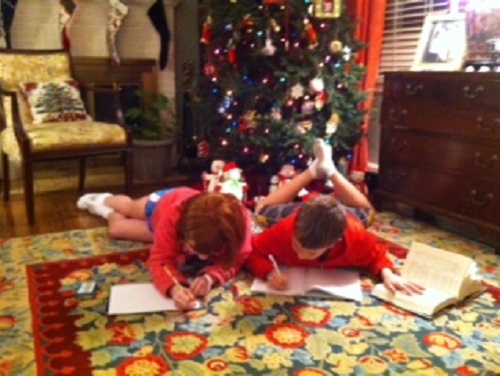
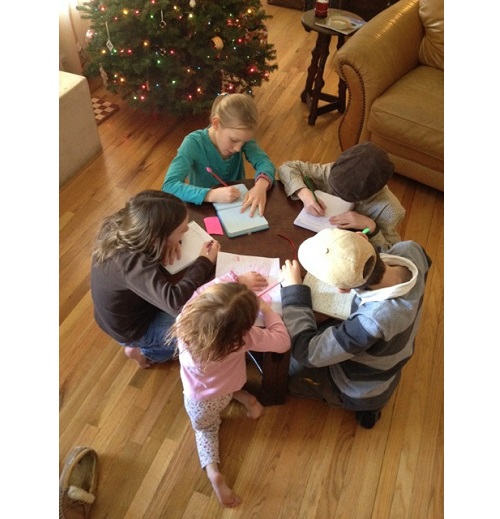
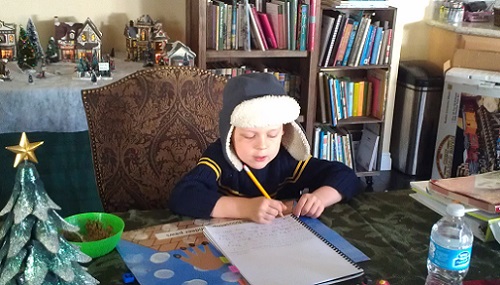
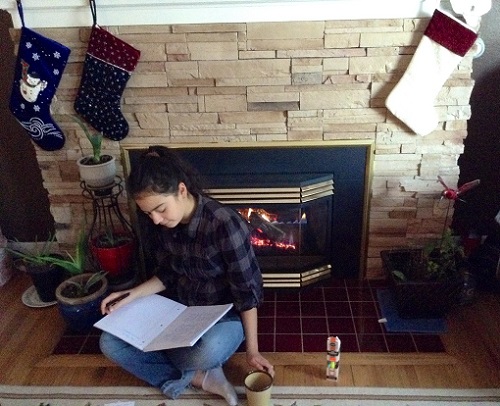
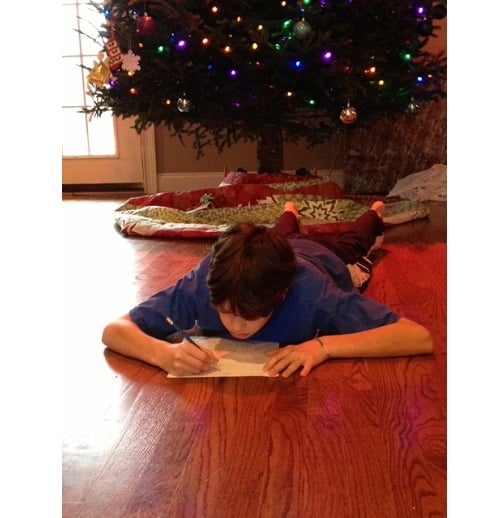
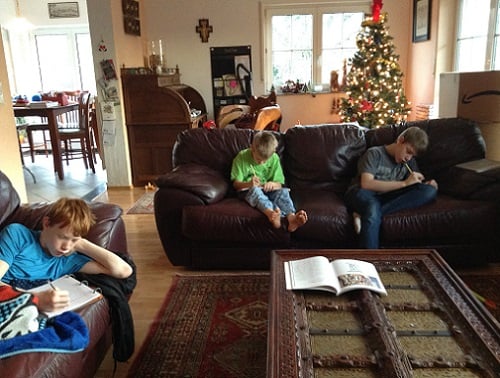
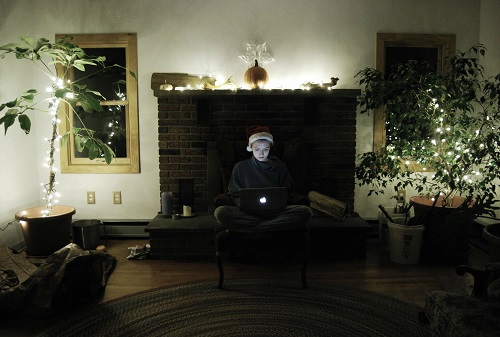
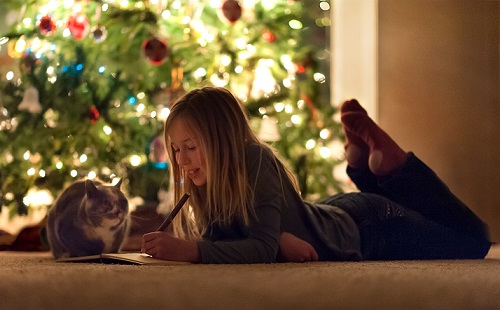
Where Brave Writers Write

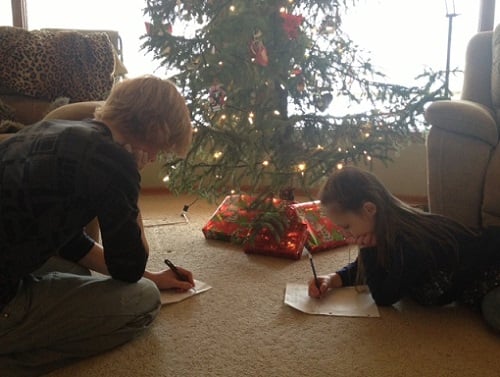
Look at these festive Brave Writers!WBWW 67

WBWW 80

WBWW 125

WBWW 113

WBWW 119

WBWW 121

WBWW 106

WBWW 105

WBWW 93

WBWW 123

Happy Holidays!

Posted in Students, Where Brave Writers Write | 1 Comment »


« Older Entries
Newer Entries »
  • Search the Blog

  • Julie Bogart
  • Welcome, I’m Julie Bogart.

    I’m a homeschooling alum -17 years, five kids. Now I run Brave Writer, the online writing and language arts program for families. More >>

    IMPORTANT: Please read our Privacy Policy.

  • New to Brave Writer? START HERE

  • FREE Resources

    • 7-Day Writing Blitz
    • Brave Writer Lifestyle Program
    • Brave Writer Sampler: Free Sample Products
    • Freewriting Prompts
    • Podcasts
  • Popular Posts

    • You have time
    • How writing is like sewing
    • Best curriculum for a 6 year old
    • Today's little unspoken homeschool secret
    • Do you like to homeschool?
    • Don't trust the schedule
    • You want to do a good job parenting?
    • If you've got a passel of kids
    • You are not a teacher
    • Natural Stages of Growth in Writing podcasts
  • Blog Topics

    • Brave Learner Home
    • Brave Writer Lifestyle
    • Classes
    • Contests/Giveaways
    • Friday Freewrite
    • High School
    • Homeschool Advice
    • Julie's Life
    • Language Arts
    • Movie Wednesday
    • Natural Stages of Growth
    • One Thing Principle
    • Our Team
    • Parenting
    • Philosophy of Education
    • Podcasts
    • Poetry Teatime
    • Products
    • Reviews
    • Speaking Schedule
    • Students
    • Writing about Writing
    • Young Writers
  • Archives

  • Brave Writer is a participant in the Amazon Services LLC Associates Program, an affiliate advertising program designed to provide a means for sites to earn advertising fees (at no extra cost to you) by advertising and linking to amazon.com

    Content © Brave Writer unless otherwise stated.

What is Brave Writer?

  • Welcome to Brave Writer
  • Why Brave Writer Works
  • About Julie
  • Brave Writer Values
  • Frequently Asked Questions
  • Speaking Schedule

Brave Writer Program

  • Getting Started!
  • Stages of Growth in Writing
  • The Brave Writer Program
  • For Families and Students
  • Online Classes
  • Brave Writer Lifestyle

…and More!

  • Blog
  • Classroom
  • Store
  • Books in Brave Writer Programs
  • Contact Us
  • Customer Service
  • Brave Writer Staff
© 2026 Brave Writer
Privacy Policy
Children's Privacy Policy
Help Center