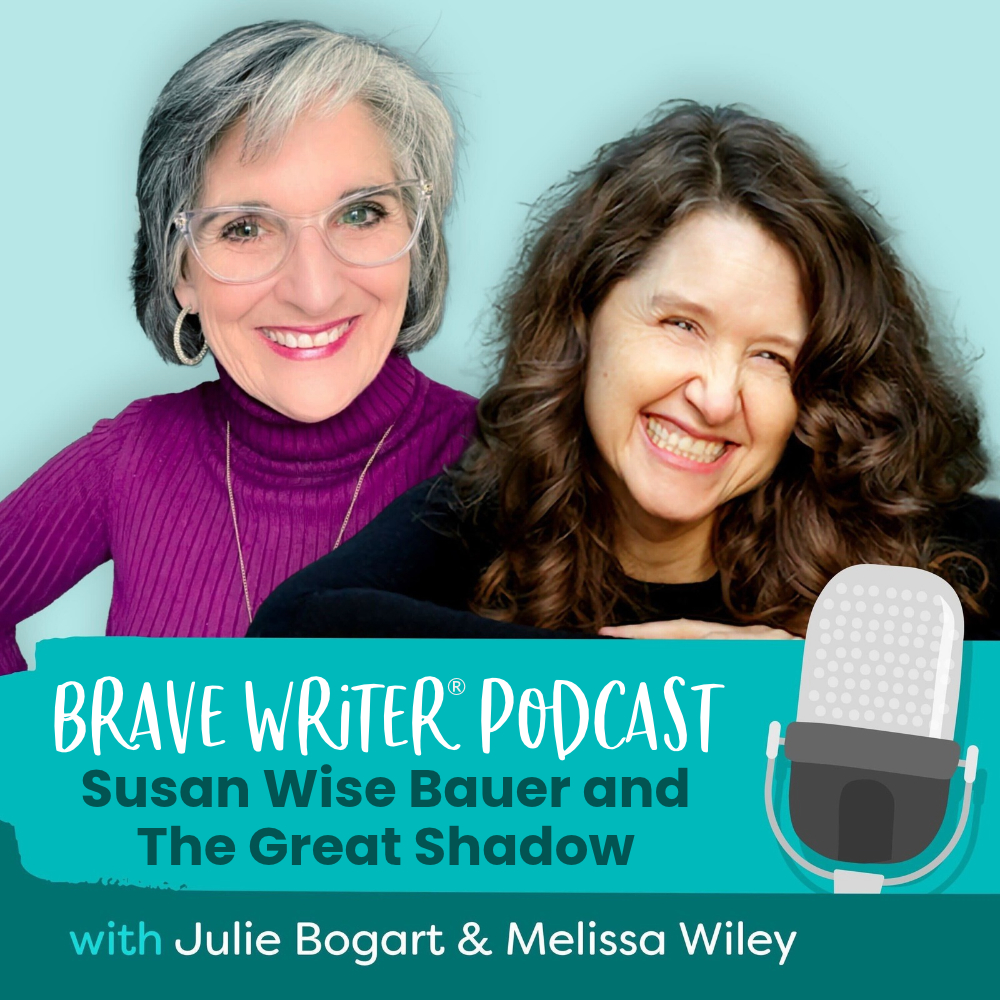
What if the way we think about sickness has been shaping our lives for thousands of years?
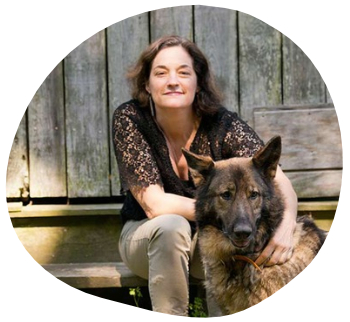
Historian and author Susan Wise Bauer joins us to discuss her new book, The Great Shadow, and the surprising ways illness has influenced everything from religion and medicine to consumer culture and politics.
We explore:
- why ancient beliefs about sickness persist,
- how historical pandemics mirror our experience with COVID-19,
- and why we so often associate good health with personal virtue.
Susan also shares how understanding history can help us question our assumptions, navigate medical decisions, and approach illness with greater compassion.
Join us for a fascinating look at the history we carry into the present!
Show Notes
Why Our Beliefs About Sickness Haven’t Changed as Much as We Think
What if you woke up with a sore throat and knew you might be dead by evening?
For much of human history, that was a genuine possibility. A minor infection could become fatal, and families lived with the constant awareness that sickness might strike without warning.
Today, we have antibiotics, vaccines, and sophisticated medical treatments. Yet historian Susan Wise Bauer, author of The Great Shadow, reveals something surprising: despite centuries of scientific progress, many of our beliefs about sickness remain remarkably unchanged.
The Ancient Beliefs We Still Carry
Throughout history, humans have searched for explanations for illness. In ancient societies, sickness was often understood as punishment from the gods or evidence of spiritual wrongdoing.
Later, Hippocratic medicine suggested that illness resulted from an imbalance in the body. Perhaps you ate the wrong foods, lived in the wrong climate, or indulged in unhealthy habits.
Sound familiar?
Susan draws a fascinating connection between these historical explanations and modern wellness culture. We still hear that eating correctly, exercising regularly, and maintaining the right habits will protect us from illness.
Of course, taking care of our bodies matters. But there’s a troubling assumption hidden beneath these beliefs: if we’re sick, perhaps we did something wrong.
That assumption becomes particularly painful when serious illness strikes someone who has seemingly done everything right.
Why Pandemics Bring Out Familiar Behaviors
One of the most striking revelations in Susan’s research is how closely historical pandemics resemble our recent experience with COVID-19.
Centuries ago, European cities introduced quarantines to slow the spread of plague. Merchants protested restrictions, communities questioned authorities, and people worried about losing their livelihoods.
The same conflicts emerged during COVID-19.
Disease outbreaks have also repeatedly inspired scapegoating. Throughout history, marginalized communities have been blamed for spreading illness, allowing others to maintain the comforting illusion that their own behavior or social standing makes them safe.
Understanding these historical patterns helps us recognize the fears and assumptions influencing our reactions today.
What Happens When We Blame People for Getting Sick?
Consider the language we use around illness.
We describe someone as “fighting” cancer or “losing the battle” against disease. We praise healthy people for their discipline and sometimes assume that those experiencing illness have neglected their responsibilities.
But what does that suggest about someone who doesn’t recover?
Susan encourages us to examine these expressions because language reveals our underlying beliefs.
The consequences extend beyond individual relationships. When we associate sickness with irresponsible behavior, those assumptions can influence our attitudes toward healthcare access, public assistance, and who deserves support.
Compassion requires recognizing that illness isn’t necessarily evidence of a personal failure.
History Gives Us Better Questions
One of our favorite things about Susan’s approach is how studying a single subject opens the door to understanding so much more.
By examining sickness throughout history, we encounter religion, economics, politics, science, consumer culture, and social change.
This is an extraordinary opportunity for homeschoolers.
Imagine studying the Black Death and discovering how it affected labor, government, religious beliefs, and everyday family life. Or tracing the history of vaccination and exploring the relationship between scientific knowledge, public trust, and personal experience.
We don’t have to study every historical subject separately. Sometimes following one compelling question takes us through centuries of human experience.
And perhaps the greatest lesson is that historical knowledge gives us the opportunity to question what we take for granted.
We can respect medical expertise while asking thoughtful questions. We can care for our health without believing we control every outcome. And we can recognize that the fears we experience today have been shared by generations before us.
When we understand the history behind our assumptions, we become better equipped to examine them, and more compassionate toward ourselves and others.
Resources
- Connect with Susan at susanwisebauer.com, welltrainedmind.com, and on Instagram @susanwisebauer
- Check out her podcast and Substack
- Here’s the article Susan mentioned: “What I Got Wrong as as New Pediatrician Talking to Parents” (gift link)
- Find Susan’s new book, The Great Shadow, in the Brave Writer Book Shop
- Registration is open now for Movie Discussion Club: Aquatic Adventures and many other Brave Writer classes!
- Start a free trial of CTCmath.com to try the math program that’s sure to grab and keep your child’s attention
- Visit Julie’s Substack to find her special podcast for kids (and a lot more!)
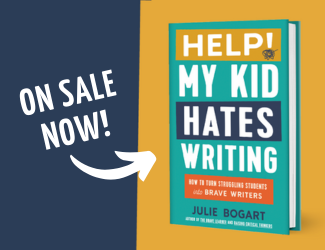
- Purchase Julie’s new book, Help! My Kid Hates Writing
- Melissa’s books make great readalouds—and there are Darts for The Prairie Thief and The Nerviest Girl in the World.
- Find community at the Brave Learner Home
- Learn more about the Brave Writer Literature & Mechanics programs
- Subscribe to Julie’s Substack newsletters, Brave Learning with Julie Bogart and Julie Off Topic, and Melissa’s Catalog of Enthusiasms
- Sign up for our Text Message Pod Ring to get podcast updates and more!
- Send us podcast topic ideas by texting us: +1 (833) 947-3684
- Interested in advertising with us? Reach out to media@bravewriter.com
Connect with Julie
- Instagram: @juliebogartwriter
- Threads: @juliebogartwriter
- Bluesky: @bravewriter.com
- Facebook: facebook.com/bravewriter
Connect with Melissa
- Website: melissawiley.com
- Substack: melissawiley.substack.com
- Instagram: @melissawileybooks
- Bluesky: @melissawiley.bsky.social
Produced by NOVA